

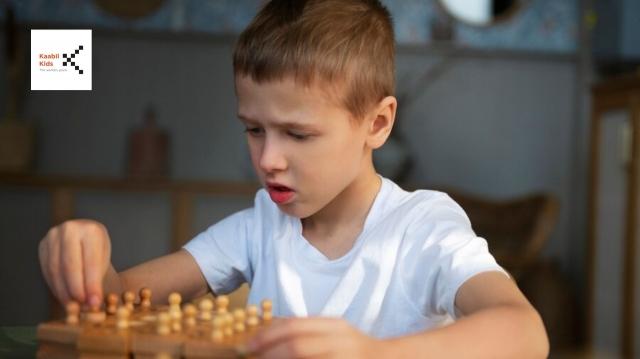
Chess has captivated minds for centuries, known for its strategic depth and ability to sharpen cognitive skills. If you're just starting and looking for a convenient, effective way to learn the game, online chess for beginners is a fantastic choice. For young learners, online platforms offer even more advantages, making it easier than ever to get started from home. At Kaabil Kids, we understand the unique challenges and opportunities that come with learning chess online, especially for kids, and we're dedicated to making the journey enjoyable, rewarding, and confidence-building.
In this article, we'll explore why online chess is perfect for beginners, the core benefits, and how online chess classes for kids can be the first step on a lifelong path of intellectual and personal growth.
1. Why Online Chess for Beginners?
Learning chess as a beginner can feel overwhelming, but the online format removes many traditional barriers to entry. With flexible scheduling, access to global resources, and interactive tools, online chess for beginners offers an efficient way to learn chess fundamentals and build confidence quickly.
Benefits of learning chess online include:
- Ease of Access: You can log in and play from any device, allowing students to learn from home or even on the go.
- Self-Paced Learning: Online platforms allow beginners to progress at their own pace, reviewing topics as needed without the pressure of a classroom.
- Comprehensive Resources: Many online chess platforms offer detailed tutorials, interactive boards, and practice puzzles that help beginners grasp concepts quickly.
2. Getting Started with Online Chess for Beginners
For those new to the game, it's essential to have a solid grasp of the basics. Here's how Kaabil Kids helps beginners understand and master the fundamentals of chess:
- Piece Movement: Starting with how each piece moves and captures helps build familiarity with the game.
- Understanding Check and Checkmate: Recognizing check and checkmate situations is foundational for making moves confidently.
- Basic Openings: Familiarizing students with simple opening moves establishes a strong starting strategy for each game.
The online format provides beginners with tools like interactive chessboards and visual aids that show piece movement, enabling them to internalize these basics before progressing to more complex strategies.
3. How Online Chess Classes for Kids Make a Difference
For young players, online chess classes for kids provide a learning experience that is both engaging and accessible. We tailor our classes to suit a child's learning style, focusing on building skills progressively while keeping the process fun and interactive.
Some key benefits of online chess classes for kids include:
- Flexible Timing: With busy schedules, online classes offer the flexibility to fit chess lessons around school and extracurricular activities.
- Child-Friendly Interface: Online platforms geared toward children often feature vibrant graphics, interactive tools, and age-appropriate explanations.
- Skill Development Beyond Chess: Kids also develop life skills like patience, focus, and problem-solving that will benefit them in various areas of life.
Our coaches provide personalized guidance, encouraging young learners to progress at their own pace while ensuring each lesson is educational and entertaining.
4. Building Confidence Through Practice
For beginners, consistent practice is essential to building confidence. Online chess allows for frequent play, from casual matches to structured practice games, each designed to reinforce learned skills. We provide students with daily practice exercises, puzzles, and simulated games to boost confidence.
Some practical strategies to build confidence include:
- Daily Practice Puzzles: Solving puzzles helps beginners recognize patterns, enhance tactics, and improve decision-making.
- Match Play with Peers: Playing against other beginners provides a supportive environment for players to test their skills.
- Analyzing Past Games: Reviewing previous games and identifying mistakes helps students improve with each match.
5. Learning Basic Strategies for Beginners
Understanding strategy is crucial to gaining confidence in chess. Our online chess for beginners classes introduce fundamental strategies in an accessible way, allowing students to implement them right away in their games. Key beginner strategies taught at Kaabil Kids include:
- Controlling the Center: Occupying the center of the board allows for more flexibility and control, making it easier to launch both defensive and offensive moves.
- Piece Development: Teaching beginners to move all their pieces effectively rather than focusing only on the pawns or king helps create a balanced board presence.
- King Safety: Emphasizing the importance of keeping the king protected early on builds good habits for defensive play.
Each of these strategies is introduced gradually, ensuring that beginners are never overwhelmed but instead feel a sense of accomplishment with each new concept learned.
6. The Advantages of Interactive Learning Tools
Many online platforms offer interactive tools like analysis engines, move suggestions, and tactical exercises. These tools make it easy for beginners to learn and improve at their own pace. We incorporate interactive tools into our curriculum to help students understand the impact of each move, study common patterns, and refine their game.
Benefits of interactive tools include:
- Immediate Feedback: Beginners can see the impact of each move instantly, making it easier to learn from mistakes.
- Hints and Suggestions: For tricky puzzles or situations, hints can guide players without providing the complete solution, encouraging critical thinking.
- Move Analysis: Automated analysis highlights potential errors and offers suggestions for improvement, an invaluable tool for beginners aiming to improve quickly.
7. Developing Mental Toughness and Focus
Chess is a game of patience and resilience. For beginners, learning to maintain focus and handle losses positively is crucial to growing as a player. Through online chess classes for kids With us, we teach mental discipline, helping young players understand that each game offers valuable lessons regardless of the outcome.
Why mental resilience matters:
- Managing Setbacks: In chess, losing a game is a learning opportunity. Embracing losses constructively helps build mental toughness.
- Concentration Skills: Chess requires deep concentration, especially as games become more complex. Teaching kids to focus is beneficial both in chess and in other areas of life.
- Handling Pressure: As students advance, they learn to handle time pressure and manage their resources, skills that translate well to real-world scenarios.
8. The Role of Online Chess Communities
Joining an online chess community can greatly enrich the learning experience for beginners. At Kaabil Kids, students have the opportunity to connect with peers, participate in friendly matches, and join forums where they can discuss tactics, seek advice, and celebrate wins together.
The benefits of community engagement include:
- Support and Encouragement: A supportive environment helps beginners stay motivated and learn from others' experiences.
- Exposure to Different Playing Styles: Observing diverse styles from fellow players expands a beginner's understanding of the game.
- Friendly Competition: Competing in a positive community fosters growth and helps players apply what they've learned in real games.
9. Setting Personal Goals and Tracking Progress
Goal setting is a powerful motivator, especially for beginners looking to build confidence. We emphasise personal goal-setting, encouraging students to set achievable targets that inspire them to improve.
Ways to set and track goals include:
- Incremental Goals: Simple goals, like mastering a specific opening or improving checkmate tactics, provide short-term motivation and accomplishment.
- Skill-Based Targets: For beginners, setting skill-based targets like "improve tactical awareness" helps focus their learning efforts.
- Progress Tracking: Regularly assessing skills and tracking progress over time makes students more aware of their growth, encouraging confidence and sustained interest.
10. The Road to Becoming a Confident Player
Chess can be intimidating at first, but with the right guidance and resources, beginners can quickly become confident players. By starting with online chess for beginners, players gain access to structured lessons, interactive tools, and supportive communities that accelerate their learning.
Our goal is to make this journey enjoyable and rewarding for young players. Whether they are learning through interactive tools, analyzing past games, or participating in practice matches, each experience builds their confidence and love for chess. We strive to create an environment where beginners feel encouraged to explore their potential and discover the profound joy and satisfaction that chess offers.
Final Thoughts
Starting your chess journey online is a fantastic way to build a strong foundation, gain confidence, and enjoy the game. With flexible scheduling, engaging lessons, and a supportive community, Kaabil Kids is here to guide beginners every step of the way. We believe that chess is more than a game; it's a tool for intellectual growth and character development.
If you're ready to take the first steps toward mastering chess, We offer the resources, support, and expertise you need to become a confident player. Join us, and let's embark on this exciting journey together!